
In the heart of the Costa Brava, between the municipalities of Palafrugell and Mont-ras, lies a paradise corner with a history as fascinating as its crystal-clear waters. Popularly known as "La Bañera de la Rusa" (The Russian's Bathtub), this small cove, whose official name is Cala d'en Massoni, is much more than a simple coastal enclave; it's the legacy of an aristocratic couple who found in this corner of the Mediterranean their own particular paradise.
The Origin of a Dream: Cap Roig
The history of this place is inextricably linked to the Castle and Gardens of Cap Roig. It all began in 1927, when Russian colonel Nikolai Woevodsky, an exile from the Bolshevik revolution, and his wife, English aristocrat Dorothy Webster, arrived on the Costa Brava looking for a place to settle far from London's court life. They fell in love with a cliff overlooking the sea and decided to build their home there.
Nikolai, with knowledge of architecture, designed an imposing neo-medieval style castle that integrated perfectly with the rocky landscape. The construction, which lasted for decades (from 1931 to 1975), became the project of their lives.
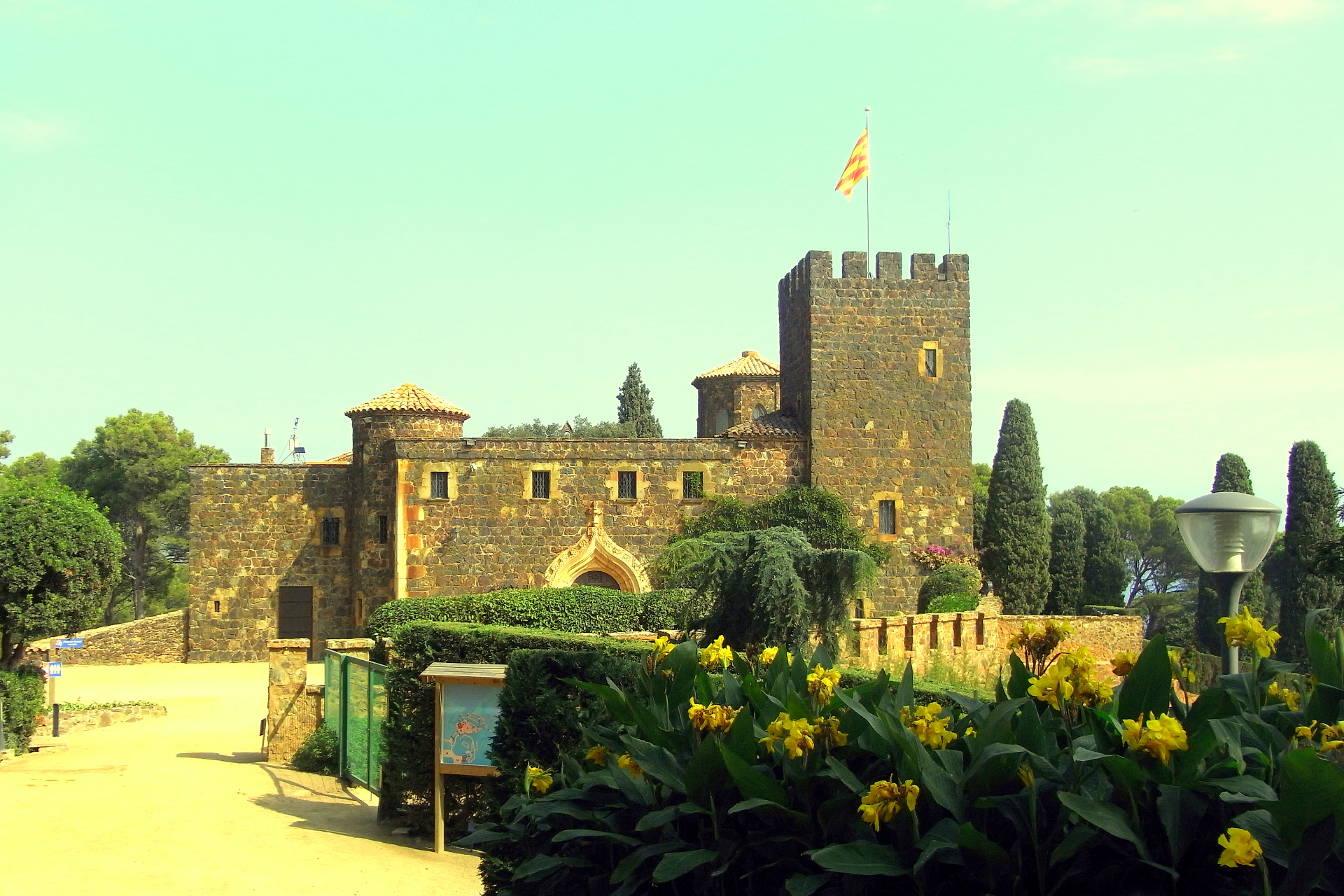
Cap Roig Castle, designed by Nikolai Woevodsky
The Legend Behind the Name
But where does the curious name "The Russian's Bathtub" come from? The answer lies in the figure of Dorothy Webster. Despite being English, the locals nicknamed her "the Russian" after her husband. Dorothy had the habit of going down to Massoni cove, on the back of a donkey, to enjoy a swim in the sea, often naked. Local fishermen, after finishing their day's work, would steer their boats toward the cove hoping to catch a glimpse of the eccentric aristocrat, thus cementing the nickname of the place.
"When word got out, says Jordi Noya, the local fishermen would bring their boats in front of the cove after finishing their work to try to see the Russian bathing. She saw them and didn't care; and that's how the place ended up being baptized as 'the Russian's bathtub'."
A Botanical and Cultural Legacy
The Woevodsky legacy goes beyond the castle. Dorothy, passionate about gardening and decoration, was the creator of the spectacular Cap Roig Gardens. What began as a steep terrain was transformed into one of the most important botanical gardens in the Mediterranean, with more than 800 plant species from around the world.
After the couple's death, the estate was bequeathed and is currently managed by "la Caixa" Foundation, which has preserved its natural and architectural heritage. Today, the Cap Roig Gardens are not only a landscape reference, but also the setting for one of the most prestigious summer music festivals, the Cap Roig Festival, which attracts world-class artists.
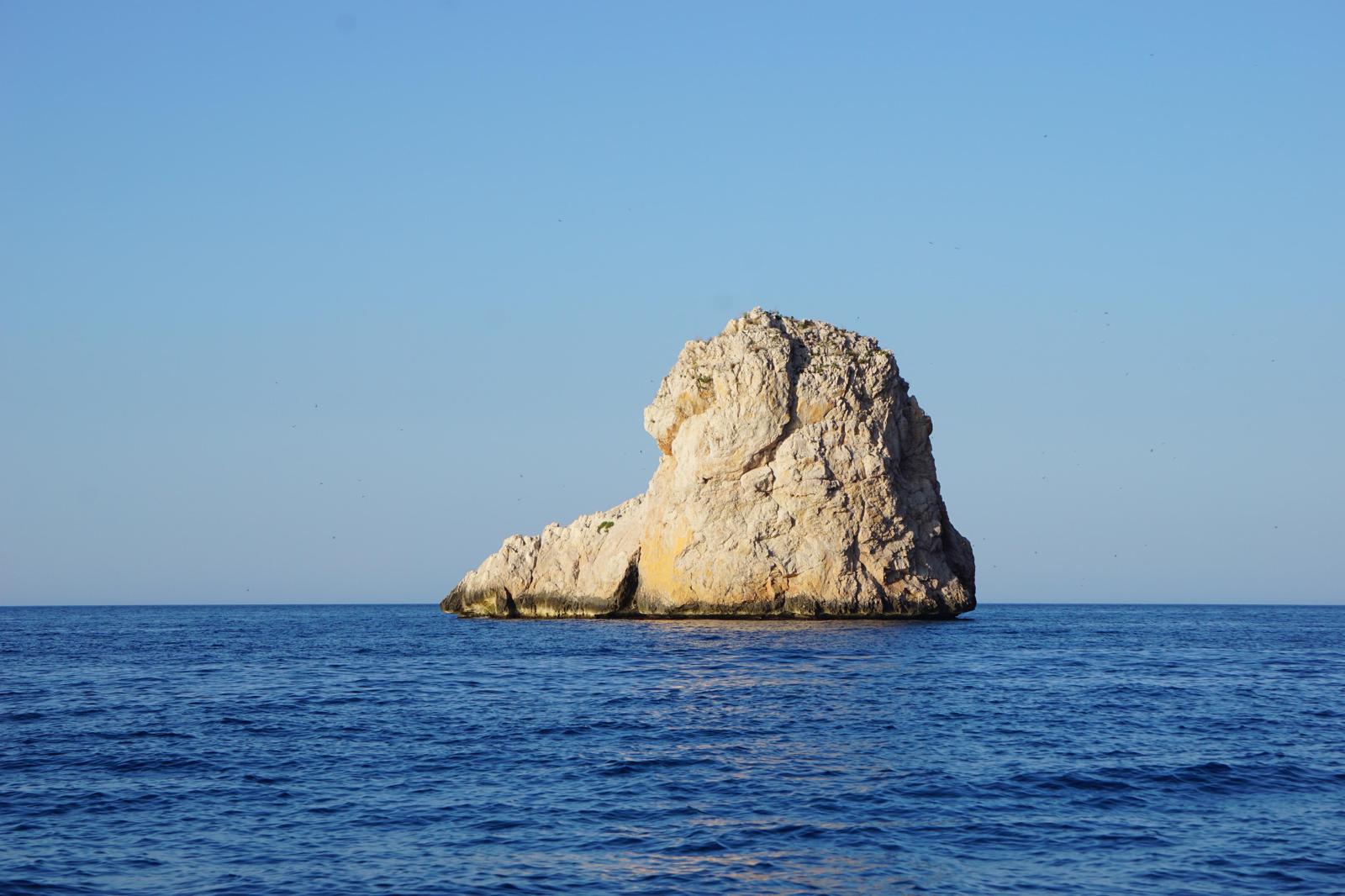
How to Get to The Russian's Bathtub
Access by Sea
One of the most spectacular ways to discover The Russian's Bathtub is by sea. With our boats, the crossing from L'Estartit is a memorable experience lasting between 30 and 40 minutes, allowing you to enjoy some of the most beautiful corners of the Costa Brava.
During the voyage, you'll pass through dream villages and coves that make up the natural heritage of this region. Starting from L'Estartit, the journey will take you along a spectacular coast, where you can admire steep cliffs and Mediterranean vegetation.
📍 Route highlights:
- Tamariu: A charming little village with its horseshoe-shaped beach surrounded by pine-covered hills.
- Llafranc: A sophisticated town with its elegant marina and the emblematic Sant Sebastià Lighthouse.
- Calella de Palafrugell: Perhaps the most picturesque village of the Costa Brava, with its whitewashed fishermen's houses.
- The Russian's Bathtub: The final destination, where you can anchor and enjoy this historic cove in all its splendor.
It's the perfect trip for those who want to combine sailing, nature, and history in a single experience.
Visit The Russian's Bathtub with Bràvola
Discover this historic corner of the Costa Brava sailing with us. The best way to get there is by sea, where you can enjoy spectacular views throughout the crossing.
Ultimately, The Russian's Bathtub is a testament to how the vision and tenacity of two people can transform a landscape and leave an indelible mark on the history and culture of an entire region.