
The Medes Islands are one of the Costa Brava's most prized natural treasures. This small archipelago, located off the coast of L'Estartit, is a protected marine reserve that harbours extraordinary biodiversity.
An Archipelago with History
The Medes archipelago consists of seven islets rising from the Mediterranean just over a nautical mile from the coast. Their name comes from the Latin "metae", meaning "limits", as they historically marked the boundaries of safe navigation.
Throughout history, the Medes have been a pirate refuge, a strategic military point and finally, thanks to their legal protection in 1983, have become one of the best-preserved marine ecosystems in the western Mediterranean.
The Marine Reserve
Since 1990, the Medes Islands and the Montgrí have been part of a protected area spanning over 500 hectares of marine zone. This protection has allowed marine life to thrive exceptionally.
Underwater Biodiversity
The waters around the Medes harbour more than 1,350 different species, including:
- Giant groupers: Large specimens that have become the symbol of the reserve
- Posidonia meadows: Essential for the Mediterranean ecosystem
- Red coral: On the deepest walls
- Octopuses, moray eels and conger eels: In cracks and caves
- Barracudas and dentex: In open waters
- Lobsters and crabs: Among the rocks
Activities at the Medes
Diving and Snorkelling
The Medes Islands are considered one of the best diving destinations in the Mediterranean. With over 20 catalogued dive sites, from shallow waters perfect for beginners to vertical walls for experienced divers, the Medes offer unforgettable underwater experiences.
For snorkel enthusiasts, the crystal-clear waters allow you to observe a wealth of marine life from the surface, especially in the rocky areas near the islets.
🤿 Reserve Regulations
To preserve this underwater paradise, strict regulations are in place:
- Recreational and professional fishing are not permitted
- Anchoring is prohibited except in authorised zones
- Diving requires prior permission
- A safe distance from wildlife must be maintained
- It is forbidden to touch or remove any element from the seabed
Sailing Around the Islands
Sailing around the Medes is a unique experience. The emerging rock formations create a spectacular landscape, and it is common to spot seabirds such as gulls and cormorants nesting on the cliffs.
Geological Features
The Medes are formed from limestone of the same origin as the Montgrí Massif. Their geological formation includes:
- Underwater caves and tunnels
- Vertical walls descending to 50 metres depth
- Rocky platforms ideal for marine life
- Karst formations both above and below water
Meda Gran and its Lighthouse
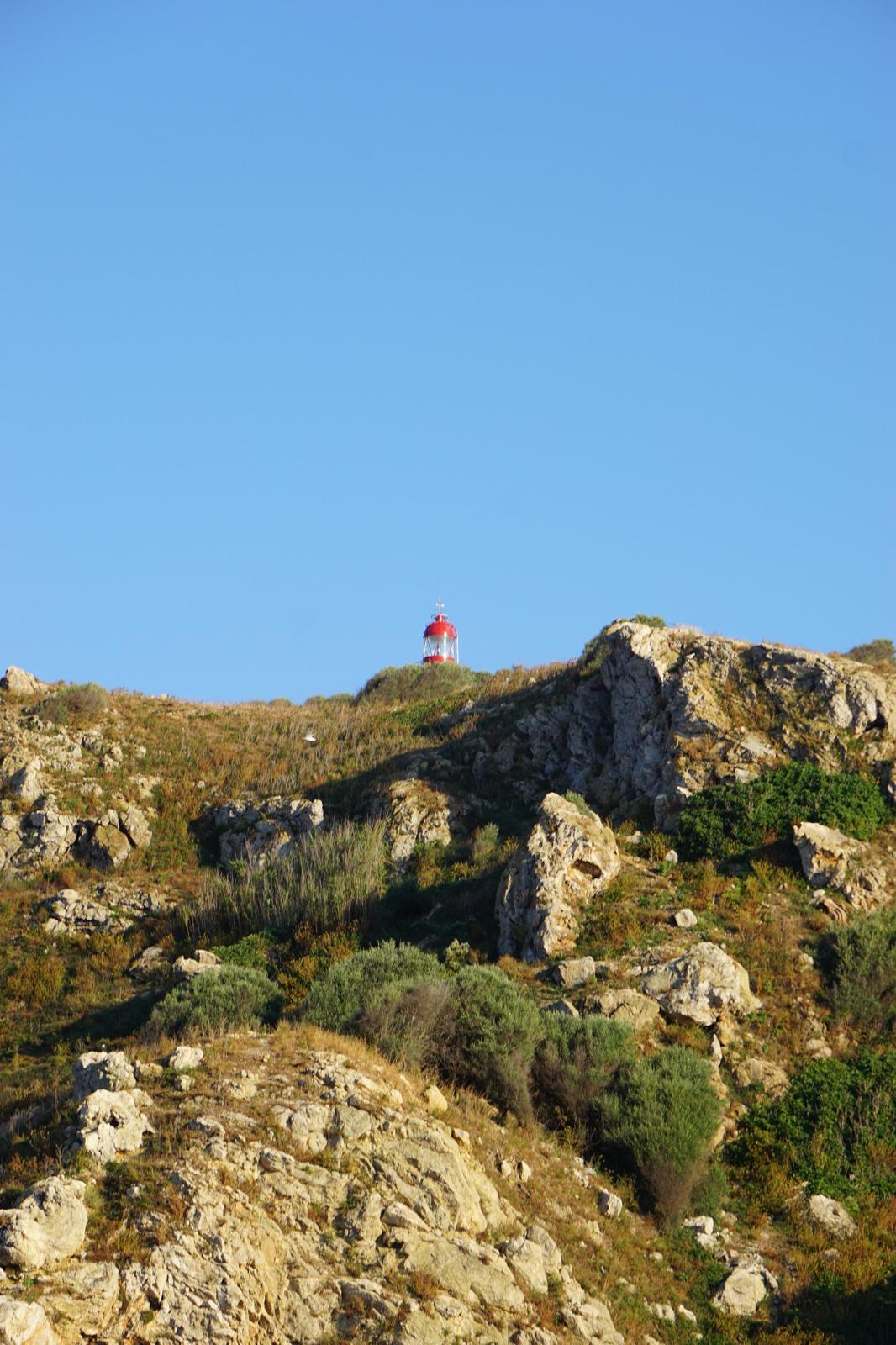
Meda Gran is the largest islet in the archipelago and houses a lighthouse built in 1866. Although now automated, this lighthouse has guided generations of sailors and is an iconic symbol of the area.
Visit the Medes with Bràvola
Discover this underwater paradise on one of our specialised tours. We include snorkel equipment and stops at the best observation points.
Best Time to Visit
The Medes Islands can be visited year-round, but each season offers different experiences:
- Spring (April–June): Clear water, pleasant temperature, fewer crowds
- Summer (July–August): Warmer water, maximum visibility, ideal for families
- Autumn (September–November): Excellent visibility, very active wildlife, still warm climate
- Winter (December–March): For the most adventurous, cold but crystal-clear water
The Medes Islands are a treasure we must preserve for future generations. Visiting them is a privilege that carries the responsibility of respecting this fragile marine ecosystem. At Bràvola, we are committed to promoting sustainable and environmentally respectful tourism.